Plaster Repair in Mishawaka, IN
Mishawaka Prime Drywall does plaster repair on old walls and ceilings, and loose plaster gets screwed back to its lath before any crack is filled. Close to 20% of the homes here predate 1940, and plaster that old hangs on wood lath by its keys. We take plaster calls from Mishawaka, Granger, Osceola, Edwardsburg, Elkhart and Bremen.
Request a quote
Tell us which room and what the damage looks like, and we will phone you.
A simple test would be to press with your hand next to the crack. If it's solid feeling, then this is typically a cosmetic fix. If it gives a crunch, or you can feel it moving, then this means it's loose from the lath, which are the wood strips behind the plaster, and this can be a more difficult and costly job.
- Every crack pressed and tapped before a price
- Loose plaster clamped to the lath first
- Setting compound for the deep fills
- Patches feathered wide under a work light
- Sound plaster kept, never torn out by habit
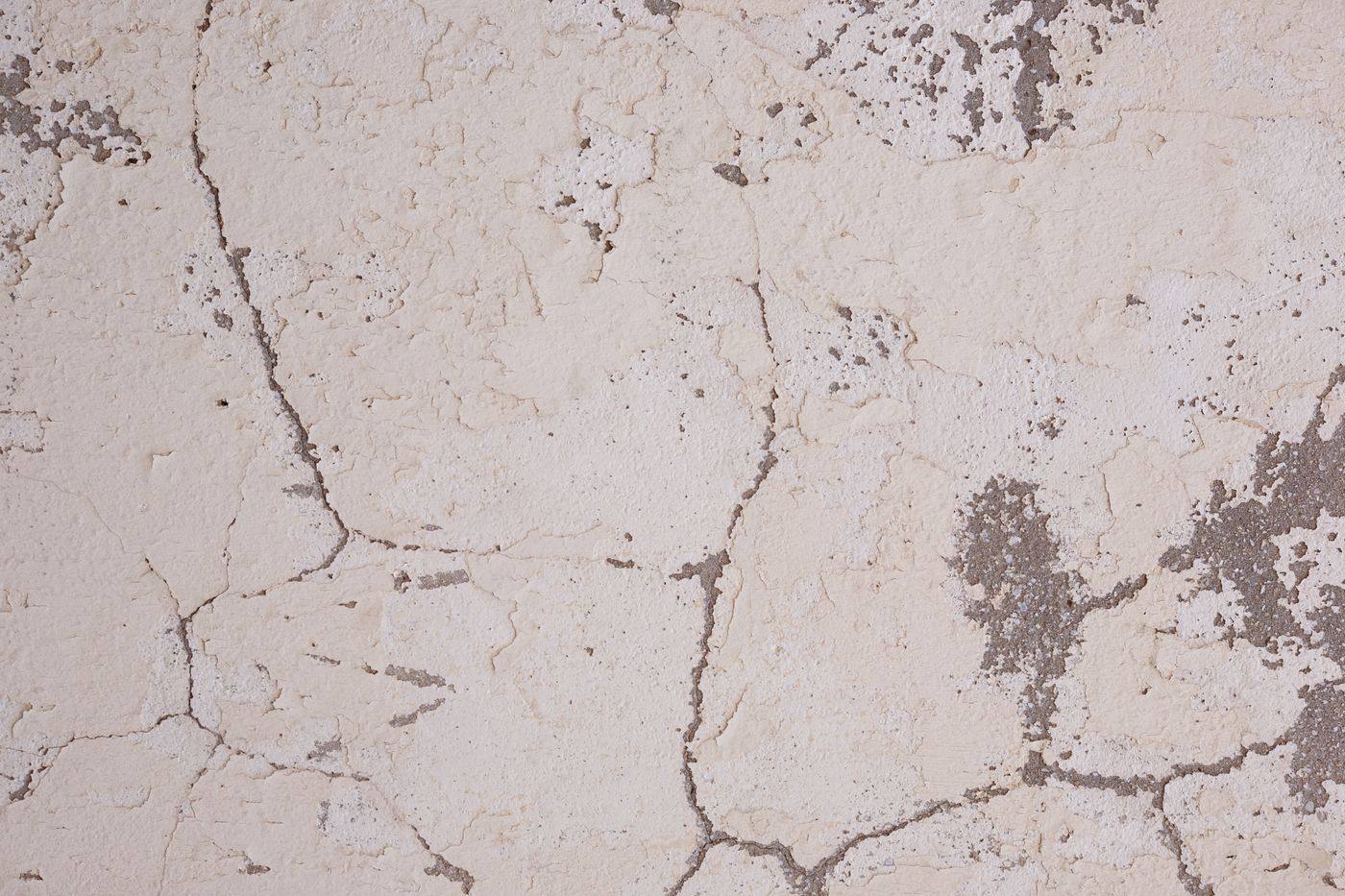
Estimate a skim coat or a tear-out
Typical prices per square foot for Mishawaka jobs, from the source below. Your quote follows a look at the job.
| Type | Per square foot |
|---|---|
| Skim coat over old plaster | $1 to $1 |
| Tear out lath and plaster, removal only | $4 to $10 |
$242 to $288
Call (574) 319-7633 for your priceAt a glance
| One wall repair | $439 to $530 a visit |
|---|---|
| Plaster ceiling patch | $431 to $520 a patch |
| Skim coat over old plaster | $1.21 to $1.44/sq ft |
| Tearing out lath and plaster | $4.48 to $9.67/sq ft, removal only |
| Mishawaka homes built before 1940 | 19.7% |
| Paid work on pre-1978 paint | Lead-safe certified firm |
Plaster Repair Work in Mishawaka Houses
Most plaster here fails at the keys, the ridges of plaster that squeezed between the lath strips and hardened behind them.
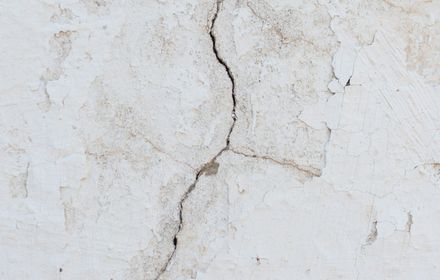
Loose Plaster Screwed Back to the Lath
Once the keys snap, the plaster hangs on paint and luck. We drill along both sides of the crack, set screws with plastic plaster washers into the wood lath, or inject adhesive and clamp it until it cures. Then the crack gets mesh tape and compound. The mesh tape we use is made of fiberglass.
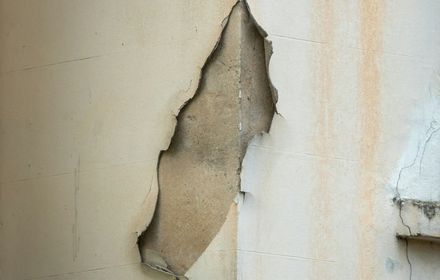
Plaster Ceilings Bonded From the Attic Side
Where the attic is reachable, we pour thinned bonding glue onto the back of a ceiling whose finish coat is parting from the base coat. The glue binds the layers and keeps any plaster molding that would be hard to copy. Left alone, such a ceiling can drop in one piece. This can add up to a lot of weight and definitely hurt someone.
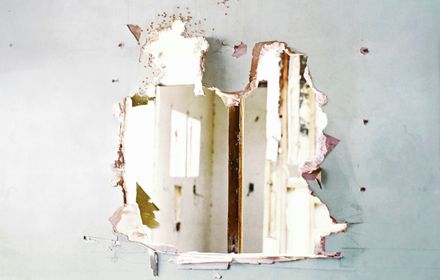
Openings Left by a Plumber or Electrician
Fixing an opening left by a plumber or electrician means cutting it back to firm plaster, then filling in thin layers to match the surface around it. Thin layers at a time are better than trying to fill it all at once, which will end up shrinking.
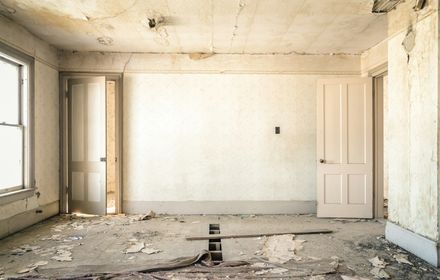
Plaster Walls in Older Rentals
Mishawaka rents about as many homes as it owns. In a rental built before 1978, the EPA lead rule binds the landlord too, so paint gets tested or treated as lead before we sand. We set the work days around the tenant.
Repair Plaster or Cover It With Drywall?
Repair it when most of the plaster is sound. A few cracks and one loose area cost a visit or two, and the room keeps its original walls. Cover it when cracks run across most of a room and the surface has been patched so often it never looks flat.
Re-anchor and Skim It
Reattach the loose sections, tape the cracks, then skim the whole wall so the old patches disappear. It suits any room whose original trim you want to keep.
We would choose to screw the loose spots back and skim the whole wall at a cost of $1.21 to $1.44 per square foot. If you were to screw new drywall over it, it is more costly and will make the wall thicker. You may have to build out the trim, which ends up being a lot more work.
Cover It With Thin Drywall
Thin board screwed through the plaster into the studs gives the room a new face. Check the casings first: if they sit nearly flush, the new surface stands proud of them, and the trim has to come off and be built out.
The difference between plaster repair and plaster-to-drywall conversion is simple. Plaster repair is fixing just the plaster that has broken off the lath. It requires a plaster washer screwed into the lath behind it, and then a skim coat to cover this up. Plaster that is coming off the wall with rotted lath behind it would be considered plaster-to-drywall.
How a Plaster Repair Goes
- Map the loose plaster. We press and tap outward from each crack under a work light, and pencil the edge where it turns solid.
- Check the paint’s age. In a house built before 1978, the paint is tested or treated as lead before anything gets sanded.
- Reattach before filling. Washers or adhesive pull the plaster back to the lath, about every 8 to 10 inches along the crack, catching both sides.
- Fill the deep spots. Holes and gaps get setting compound in layers, each left a little low.
- Tape and finish. Mesh tape bridges the crack, and the finish coats are feathered wide so the patch reads flat under side light. Then primer.
Plaster Repair Cost in Mishawaka
One wall plaster repair runs $439 to $530 in zip 46544, and that visit carries a four-hour labor minimum.
| Job | Mishawaka range | Basis |
|---|---|---|
| One wall repair | $439 to $530 | One repair area |
| One ceiling patch | $431 to $520 | Fill and blend one patch |
| Skim coat over old plaster | $1.21 to $1.44 | Per sq ft |
| Tear out lath and plaster | $4.48 to $9.67 | Per sq ft, removal only |
| New drywall after a tear-out | $2.46 to $2.92 | Per sq ft, hanging only |
Rows are for zip 46544 as of 2026. A second crack fixed on the same trip mostly adds material, since the minimum already pays for the hours. Lead testing and paint are outside these rows.
What moves the price
- Loose area. A crack in solid plaster is a fill. A sagging section needs reattaching first.
- Ceiling or wall. Overhead work goes slower and needs staging.
- Moldings and trim. Plaster cornices and tight casings slow every step around them.
- Pre-1978 paint. Lead-safe setup and cleanup add hours to a small job.
Get a quote on your plaster repair
Send a line about the damaged room, a rough size and whether it is a rental or your own home. We call back with a price range and what would move it.
Plaster Repair in nearby areas
Plaster Repair FAQs
What is the best compound to patch plaster walls?
The best compound to patch plaster walls is a setting-type compound, usually called hot mud, a powder mixed with water that hardens like plaster within the time the bag says. This means deep holes filled all at once will not shrink.
How long does a plaster repair take?
A ceiling patch is approximately 2.6 labor hours, with 12 to 24 hours of dry time between the mud coats. So two or three visits would be necessary in most cases.
Does old plaster contain asbestos?
Some building products from the mid-1940s to 1977, including joint compound, had asbestos, a mineral fiber, mixed into them. There's no way to tell by looking at it. It needs a lab test on a sample.
Is it cheaper to cover plaster with drywall than tear it out?
If the trim around the doors and windows stands out enough, then covering the old wall with thin drywall is the better way to go, since a tear-out alone can be $4.48 to $9.67 per square foot.
Can plaster be repaired after water damage?
Often. Once it is dry, plaster that turned soft or powdery is cut back to firm edges and the lath behind it is checked. The stain gets sealed with primer before paint.
Request a quote
Faster by phone: (574) 319-7633. Or describe the wall here and we will call you.